


How to Design Custom Collar Pins That Employees Will Be Proud to Wear
A collar pin may be small, but employees will notice the difference between an accessory that feels thoughtfully designed and one that looks like an afterthought. If it is too large, difficult to match with a uniform or crowded with details, it may not get worn as often as intended.
For businesses ordering custom collar pins, the challenge is to create something that represents the organisation while remaining comfortable and suitable for everyday wear. The design should be recognisable, the size should feel appropriate, and the finished pin should complement the clothing it is meant to be worn with.
Whether you are preparing collar pins for employees, management teams, customer-facing staff or a special company occasion, here are some practical considerations to help you plan a design that people will be happy to wear.
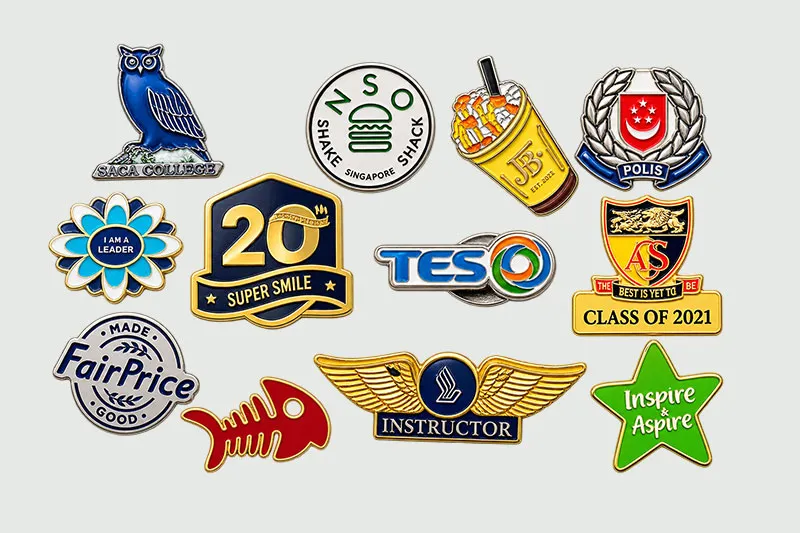
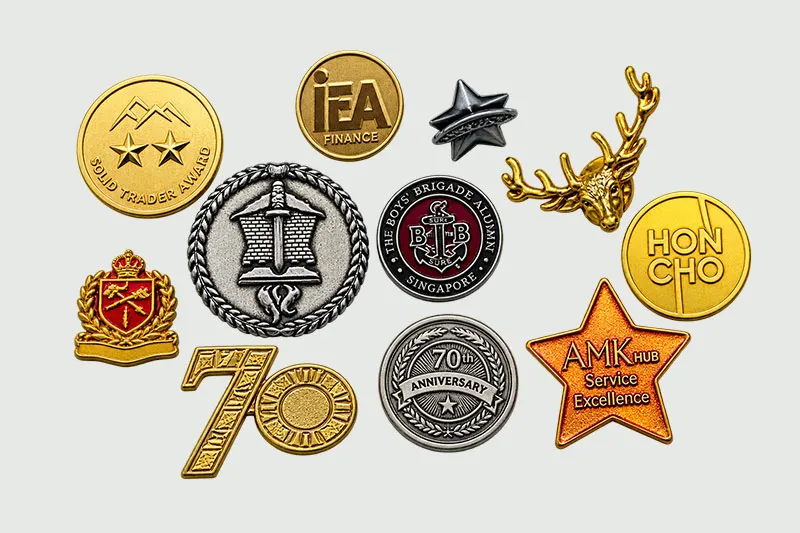
1. Start with a Clear Purpose for Your Collar Pin
For example:
- Staff identification: A company logo or department symbol can help create a consistent appearance among employees.
- Employee recognition: Special pins can mark work anniversaries, achievements or years of service.
- Corporate events: Custom designs can commemorate conferences, company milestones, product launches or annual dinners.
- Team identity: A shared emblem can help employees feel connected to their department or organisation.
- Customer and partner gifts: A well-designed pin can serve as a small keepsake that represents your brand.
A pin intended for daily uniform use may need a simpler design than one created for a commemorative event. Defining its purpose early helps you avoid unnecessary details and keeps the design focused.
2. Keep Your Logo and Artwork Easy to Recognise
Your company logo is often the main feature of a custom collar pin. However, artwork that looks clear on a computer screen may become difficult to recognise when reproduced on a small metal surface.
Fine lines, tiny text and complicated illustrations can lose detail when scaled down.
To make your design work better:
- Use a simplified version of your logo if the original contains too many small details.
- Prioritise the most recognisable part of your brand identity.
- Avoid including lengthy wording that may be difficult to read.
- Use colours that provide enough contrast.
- Check that important design elements remain visible at the intended pin size.
If your logo includes a tagline or detailed graphic, consider whether it is necessary on the pin. A clean, recognisable design often works better than trying to include every brand element.
3. Choose a Size That Suits the Uniform
The size of a collar pin affects both its appearance and practicality. A pin that is too large may look distracting on a shirt or blazer, while one that is too small may make the logo difficult to see.
Think about the clothing on which employees will wear the pin.
For example, a pin intended for a shirt collar may need a more compact design. A pin worn on a blazer or jacket may have more room for a slightly larger emblem.
Before confirming the dimensions, consider:
- The width and shape of the collar or lapel.
- Whether the pin will be worn alongside name tags or other accessories.
- How visible the design should be from a normal conversation distance.
- Whether the pin will be worn by employees with different uniform styles.
If possible, review a sample or size reference against the actual uniform. This makes it easier to judge the proportions before proceeding with a larger order.
4. Match the Design to Your Company's Image
A custom collar pin should feel like part of your organisation's visual identity. Its colours, shape and overall appearance should complement the uniforms and branding already used by your business.
A few examples:
For a corporate office: A simple logo, clean lines and understated colours may suit a professional dress code.
For hospitality and customer-facing teams: A clear emblem with colours that complement the uniform can create a coordinated appearance.
For schools and educational organisations: School crests, initials or recognisable symbols can help communicate identity and belonging.
For special recognition programmes: A distinctive design or commemorative detail can help distinguish an award or milestone pin from standard staff accessories.
The goal is not necessarily to make every pin elaborate. It is to create a design that feels appropriate for the people wearing it and the organisation it represents.
5. Think About Comfort and Everyday Wear
A collar pin may look attractive, but employees are less likely to wear it regularly if it is inconvenient.
Consider how the pin will be attached and whether it is suitable for the fabric of the uniform. Its size and weight should also be appropriate for the clothing.
For staff who wear their pins throughout the working day, practical details matter:
- Does the pin sit neatly against the fabric?
- Is the attachment suitable for the uniform material?
- Is it easy to put on and remove?
- Could it catch on clothing or become uncomfortable during normal movement?
- Will employees need to remove it when washing or changing uniforms?
These questions are especially relevant when ordering pins for a large team. A design that works well for one person should also be practical for the wider group.
6. Consider How the Pins Will Be Used and Distributed
The way you distribute your collar pins can influence the design and presentation.
For example, pins issued as part of a standard staff uniform may only need simple individual packaging. Pins given to employees for long service recognition or presented during a company event may benefit from more thoughtful presentation.
Consider the following:
- Regular staff issue: Prioritise consistency and convenient distribution.
- Employee appreciation: Consider individual packaging or a presentation box.
- Corporate events: Include event details or a commemorative element where appropriate.
- Client and partner gifts: Pay attention to presentation so the pin feels like a considered gift.
Klassic Resources also features acrylic boxes and other add-on accessories for collar pins. These can be considered when presentation is an important part of the gifting experience.
7. Prepare Your Artwork Before Requesting a Quotation
Having your artwork ready can make the ordering process easier. It also gives your supplier a clearer understanding of what you want to produce.
Before requesting a quotation, prepare the following information:
- Artwork: Provide your company logo or proposed pin design in a clear, high-quality format.
- Dimensions: Indicate your preferred width and height, if known.
- Quantity: Estimate how many pins you need, including any additional pieces for future use.
- Intended purpose: Explain whether the pins are for uniforms, events, recognition or gifting.
- Preferred appearance: Share any references for the colours, shape or overall style you have in mind.
- Required delivery date: Let your supplier know when you need the completed order.
You do not need to have every technical detail decided before contacting a supplier. If you are unsure about the appropriate size or production method, share your requirements and ask for recommendations.
8. Review the Design Proof Before Production
One of the most important steps is checking the proposed design before approving production.
A design proof gives you an opportunity to spot issues that may not be obvious in your original artwork. For example, the logo may appear too small, the wording may be difficult to read, or the colours may not match your expectations.
When reviewing the proof, check:
- Logo proportions and placement.
- Spelling and wording.
- Colour accuracy.
- Pin dimensions and shape.
- Attachment position.
- Overall appearance against your intended uniform or use.
If the pins are for different departments or employee groups, confirm that all variations are correct before approval.
It is also useful to clarify the production timeline, quantity and packaging arrangements with your supplier. This helps everyone work towards the same expectations.
9. Plan for Future Orders and Consistency
Some organisations order collar pins only once, while others need additional quantities as they recruit new employees, open new departments or organise future events.
If you expect to reorder, keep a record of the approved artwork, dimensions, colours and other specifications. This gives your team a reference point for future orders and helps maintain consistency.
For organisations with multiple branches or departments, it is particularly useful to establish one approved design as the standard. Any future variations can then be planned without changing the overall identity of the pin.
Create Custom Collar Pins with Klassic Resources
A successful collar pin does more than display a company logo. It should suit the uniform, feel comfortable to wear and represent the organisation in a way employees can appreciate.
By planning the purpose, artwork, size and presentation before ordering, you can create a custom accessory that is both practical and meaningful.
At Klassic Resources, we offer customised collar pins, lapel pins and metal badges for corporate gifting, staff uniforms and other organisational needs. From enamel and printed designs to plated finishes, there are different options to explore depending on your preferred look and requirements.
If you are planning custom collar pins for your employees, customers or next corporate event, contact Klassic Resources to discuss your design and requirements.
Contact Us
Tel: +65 6281 4228
Email: sales@klassic.com.sg
Website: www.klassic.com.sg